
FIFO mining · Western Australia
Starting FIFO work in Australia, explained without the hype
Fly-In Fly-Out mining pays well and gives you long blocks of time off, but the path in is confusing from the outside. This site explains how it actually works, written by Louis Storath, who went through it and now works FIFO out of Perth.
- Written from doing the work, not from a desk
- Ordered the way you'll actually need it

While you're on site
Room in camp
Your accommodation in the camp is covered by the employer while you're on your roster.
All meals
Meals on site are provided during your swing.
Charter flights
The flight to the mine and back is arranged for you.
Rosters, sites and conditions vary a lot between companies. Always check the specific offer.
The basics
What FIFO actually means
FIFO stands for Fly-In, Fly-Out. You fly to a remote mine or construction site, work a fixed roster (commonly something like two weeks on followed by one week off), then fly home for your break.
While you're on site the employer covers your room in the accommodation camp, your meals, and the charter flight to and from the mine. Rosters, sites and conditions vary a lot between companies.
The hard part
Why getting started is confusing
The work itself is straightforward once you're in. Getting to that first contract is the hard part, because the steps aren't obvious and they have to happen in a rough order: the right visa, arriving and sorting the admin, the mandatory site tickets, an Australian-style resume, and registering with the agencies that actually place people.
Miss a step or do them out of order and you can lose weeks. Most of this site is about making that sequence clear.
My story
Who's behind this
The video only loads when you press play. It's spoken in German.
Louis Storath is a scaffolder doing FIFO rosters out of Perth, Western Australia. He went through the whole process himself: the visa, the first weeks finding his feet, the job hunt, the first roster and the adjustment that comes with it.
He wrote the FIFO Guide from that experience, and offers direct support to readers rather than pointing them at a help page.
Step by step
The journey to a first site role
A realistic path from deciding to go through to your first roster. The FIFO Guide walks through each stage in detail.
- 01
Decide
Be honest about the trade-offs: long shifts, remote camps, and weeks away from home in exchange for strong pay and long breaks.
- 02
Sort your visa
Most international workers start on a Working Holiday visa. Eligibility depends on your nationality and age, so check the official immigration site.
- 03
Get to Australia
Perth is the destination, and the main hub for Western Australian mining. Budget for the flight and your first weeks before the first pay.
- 04
Settle the admin
SIM card, Australian bank account, Tax File Number, and health cover. Temporary visa holders generally aren't covered by Medicare.
- 05
Complete the tickets
Perth mine sites require the White Card plus Gas Testing, Working at Heights and Working in Confined Space. Extra tickets open more roles.
- 06
Apply
Build an Australian-format mining resume, register with several recruitment agencies, and apply through job boards and company career portals.
- 07
First roster
A site induction on day one, then the roster begins. The first few swings are the steepest part of the learning curve.
Ticket, visa and tax requirements change over time. Check current details with official sources (such as immi.homeaffairs.gov.au and ato.gov.au) before you rely on them.
Entry roles
Common entry roles
A few of the roles people start with. Which one fits depends on your background and which tickets you're willing to invest in.
Utility / site services
General site and camp support work. The lowest barrier to entry, with no trade background required.
Trade Assistant
Assisting qualified tradespeople with tools, materials and general support. Suits a hands-on or construction background.
Scaffolder
Erecting and dismantling scaffolding on site. Needs a High Risk Work licence and is physically demanding.
Rigger
Moving and securing loads with cranes and lifting gear. Also a licensed High Risk Work role.
Mechanical Fitter
Maintaining mechanical equipment. Qualified tradespeople from overseas can have their qualification recognised.
The guide
The FIFO Guide
This site covers the shape of the journey. The guide is the detailed version: a chronological walk-through of visas, arrival admin, tickets, the resume, agencies, the interview and pre-employment process, camp life and money, with checklists and contacts.
It's a digital book, 2026 edition, sold through Payhip. It makes no promises about specific results.
- Written from doing the work, not from a desk
- Ordered the way you'll actually need it
On site
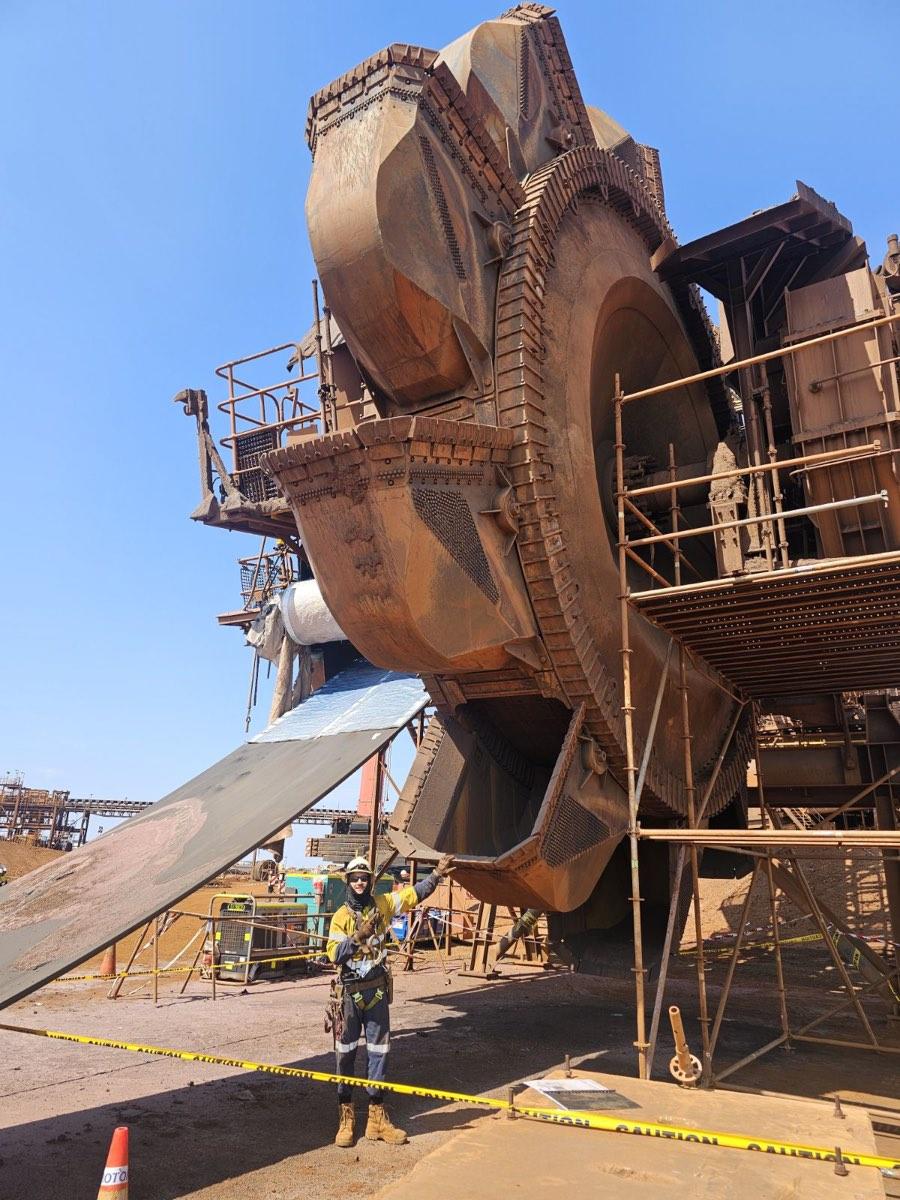
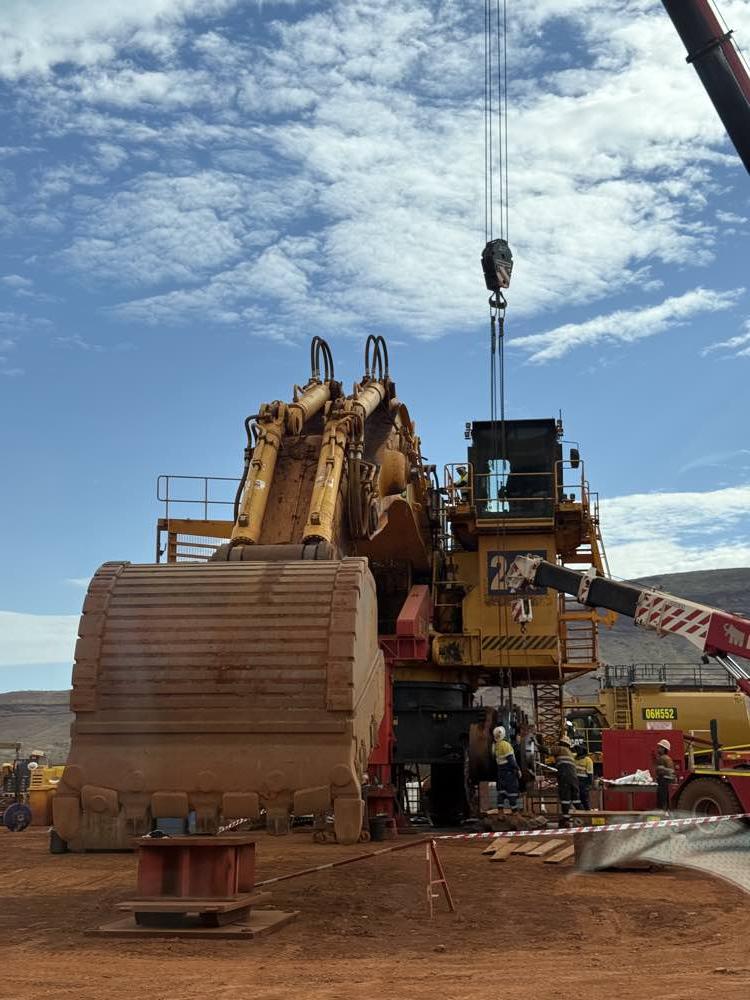
The work, up close
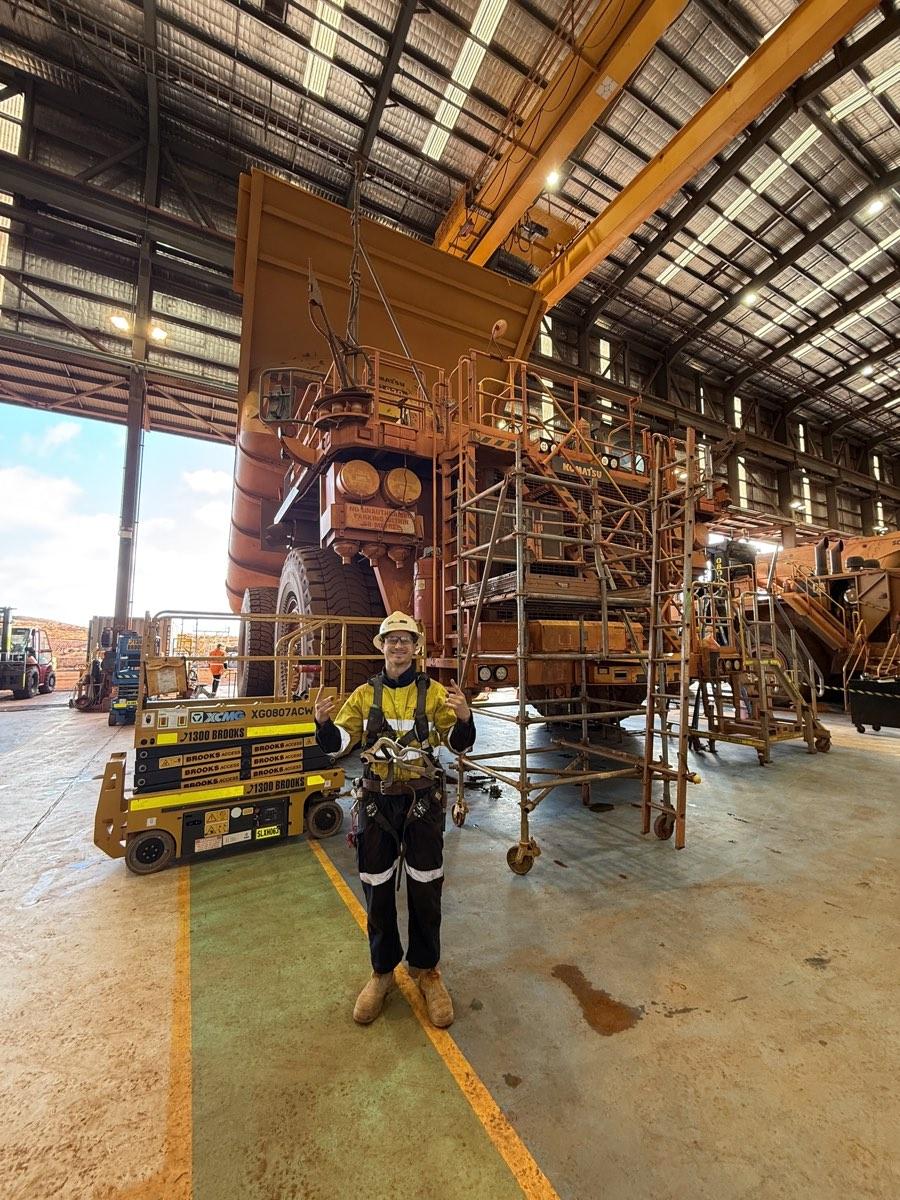
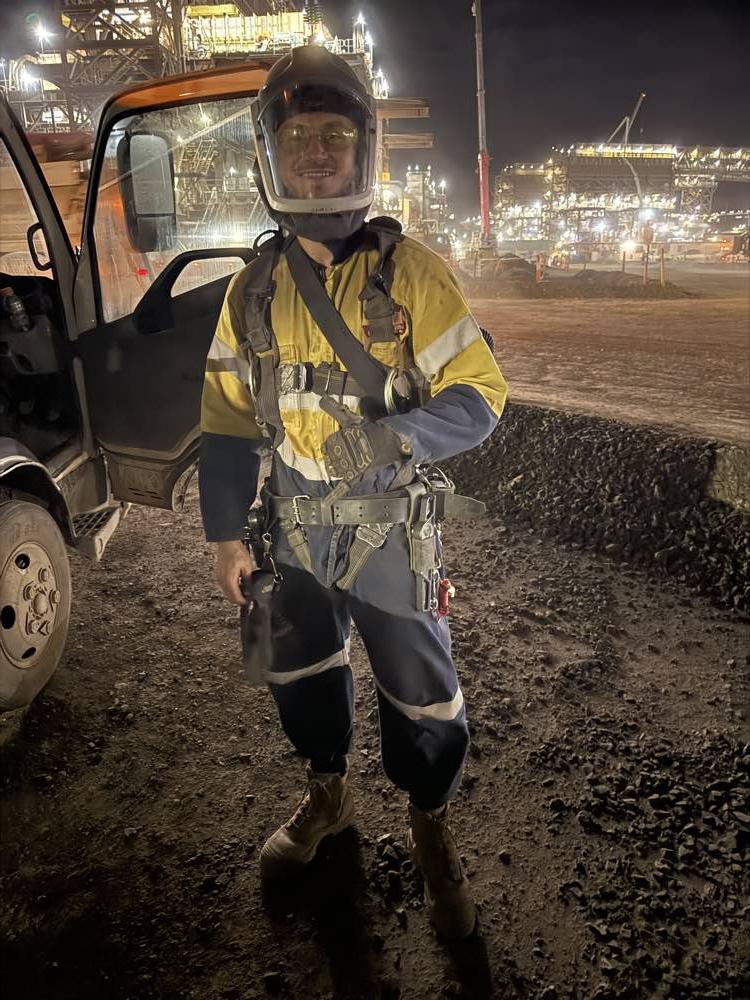
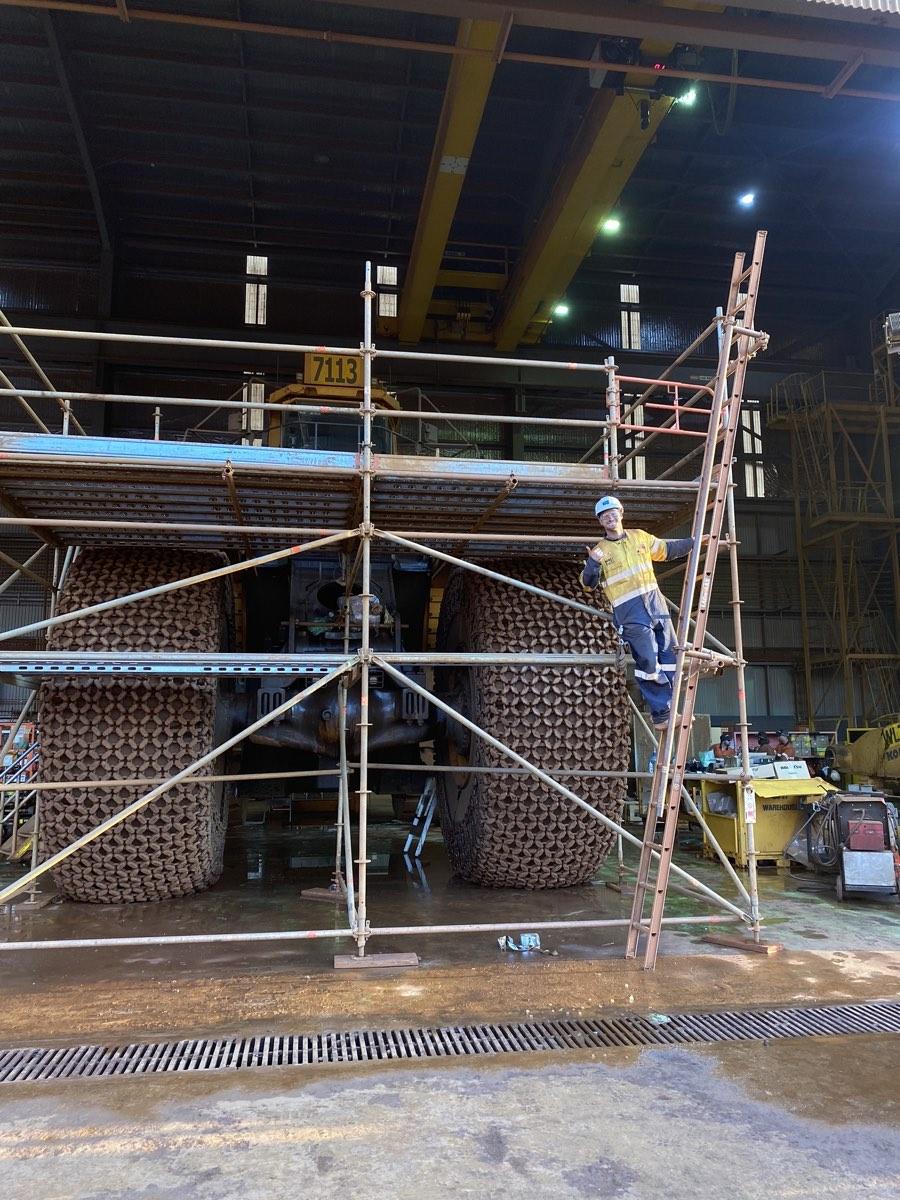
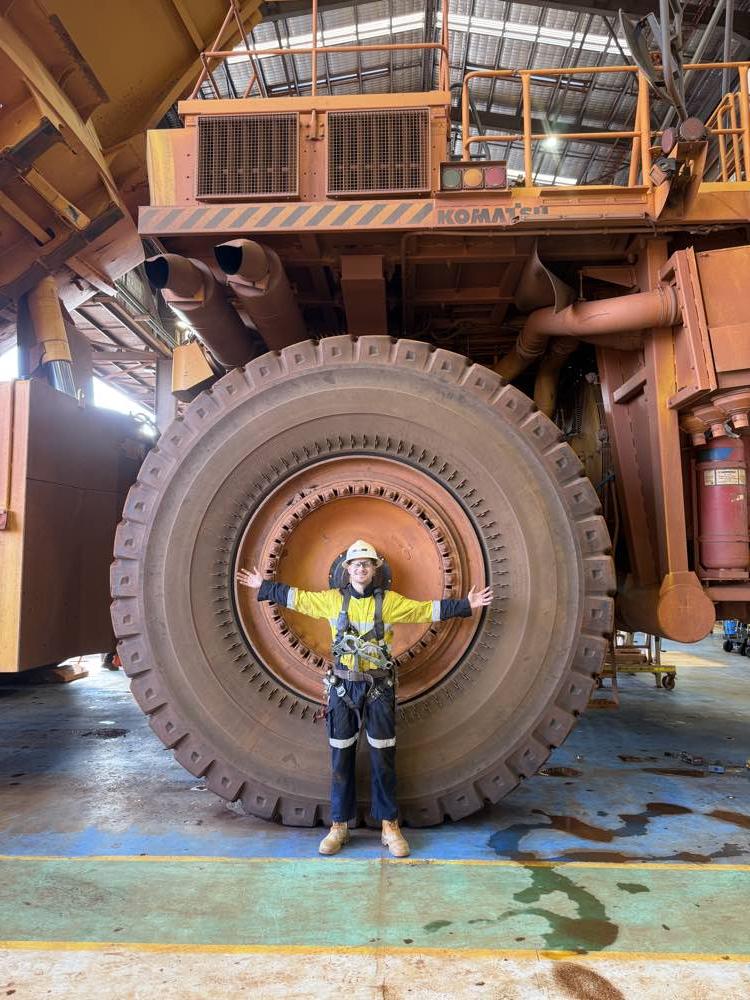
Scenes from mine sites and shutdowns in Western Australia.

FAQ
Common questions
What does FIFO mean?
Fly-In, Fly-Out. You fly to a remote mine or worksite, work a fixed roster (for example two weeks on, one week off) and fly home for your break. While you're on site the employer covers the charter flight, your room in the camp and your meals.
Do I need previous mining experience?
Not for every role. Several entry roles, like Utility / site services and Trade Assistant, are open to people without a mining background, as long as you hold the mandatory site tickets. Licensed roles such as Rigger and Scaffolder need a High Risk Work licence and practical experience first.
What FIFO jobs can I start with?
Common starting points include Utility Worker / site services and Trade Assistant. With the right licence, Scaffolder or Rigger are options too. Qualified tradespeople can pursue recognition of an overseas qualification and apply for roles like Mechanical Fitter. See the FIFO Jobs page for overviews.
Which tickets or certificates may be relevant?
For Perth mine sites the baseline is the White Card plus Gas Testing, Working at Heights and Working in Confined Space. Additional tickets (Forklift, an HR driver's licence, Dogging, rigging or scaffolding licences) open up more roles. Requirements vary by site, so confirm current details with training providers and employers.
Thinking about FIFO?
Start with the free pages here. If you want the full step-by-step, the guide is one link away.